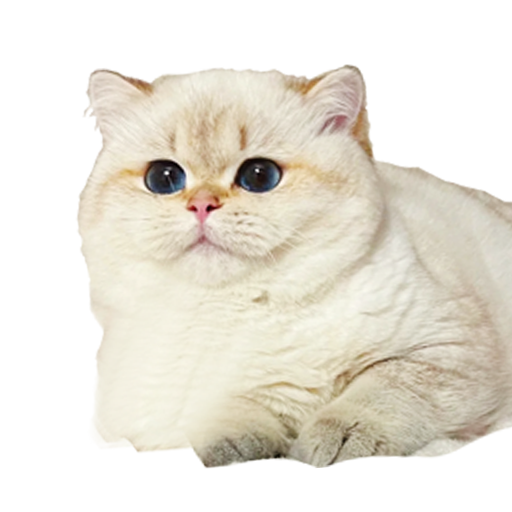
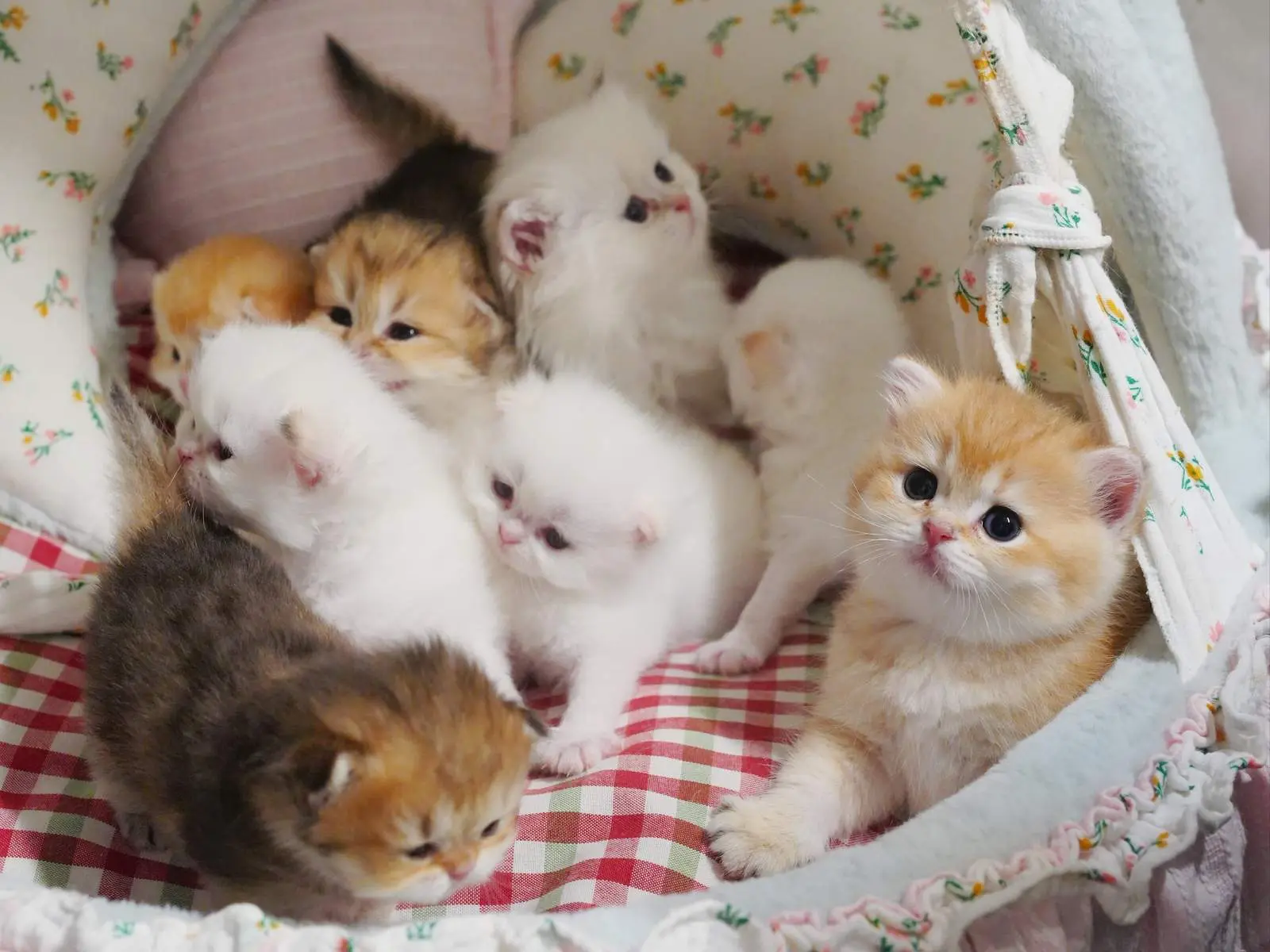
Our Mission: Love, Equality, and Stewardship
From day one, our cattery grew from a simple truth: we love British cats, we love all cats, and we respect all animals. Our ideal world is one where every creature lives peacefully and with dignity. Applied to cats, that means they must be bred, raised, and cared for respectfully, never as products. Profit is not our target; wellbeing is. We want cats and people to live happier lives together, and everything we do, breeding choices, home infrastructure and client support. All serve that goal.
How We Built Around That Ideal
Breeding cats: Reserved from renowned, welfare-minded catteries; selected for health, temperament, and type.
Home infrastructure: Family environment designed around how cats naturally live and behave.
Lifetime service: For our adoption families, we provide long-term support, health guarantees, and practical help.
Community mindset: We believe breeders should support their extended family of cats and owners—always.
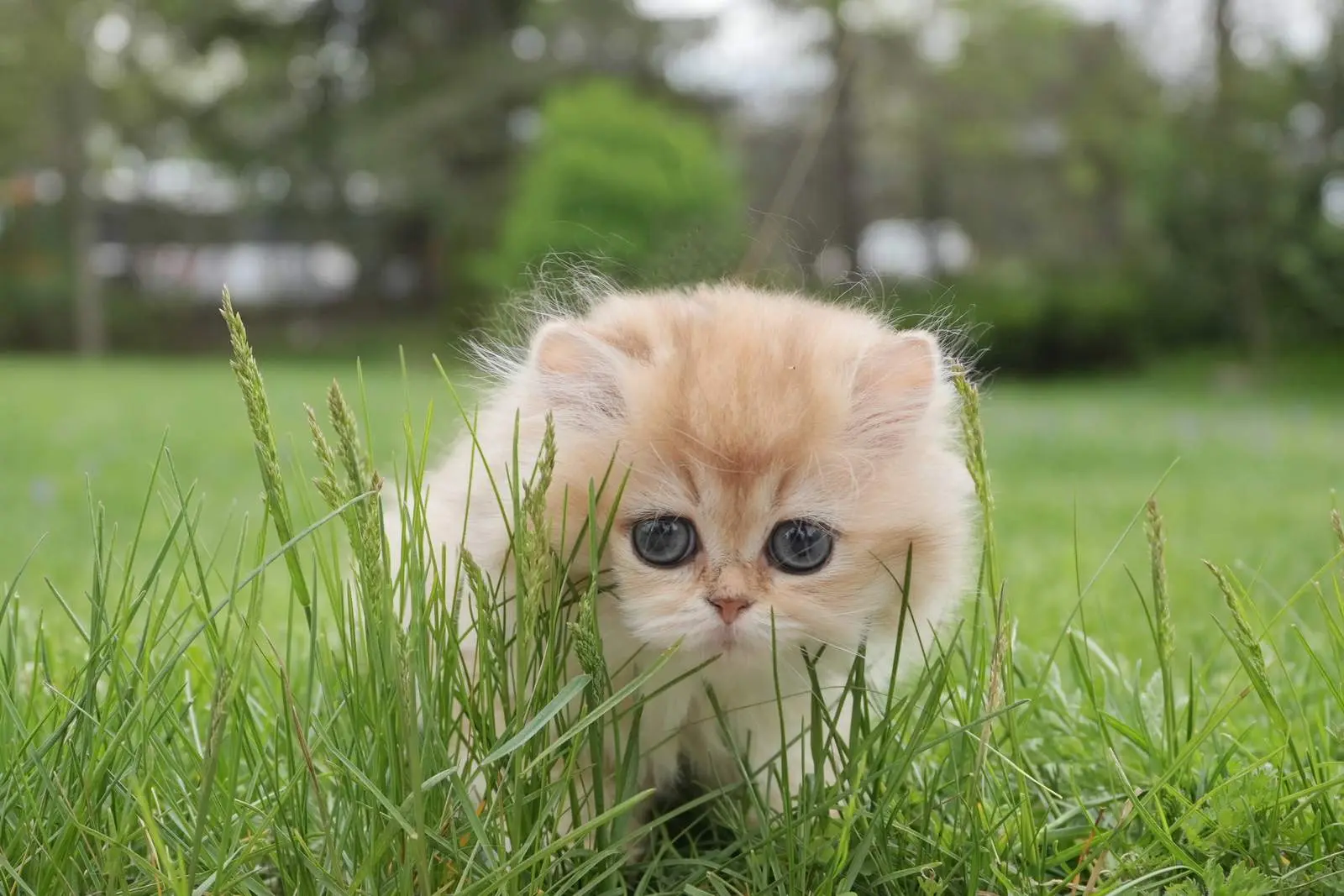
Ethical breeders don’t run assembly lines; we safeguard a breed’s future with science, ethics, and love. Profit is never the driver. Healthy, well-adjusted British Shorthair and British Longhair kittens and supported families are.
“Lifetime Responsibility” is Our Promise
Our responsibility does not end when a kitten leaves. Every kitten-adoption family receives lifetime, free consultation with us on feeding, settling in, behavior and everyday health concerns, and we aim to provide practical guidance and follow-up. When an issue needs veterinary attention, we encourage the family to seek appropriate clinical care and keep us informed. We describe our ongoing support on our Services for Clients page. This aftercare takes time and energy, and we give it gladly.
Health Costs Far Exceed Short-Term Profit
Each of our queens has a maximum of three litters within a two-year period, and we plan her breeding around her wellbeing, veterinary advice, recovery and capacity to care for the litter, rather than a target number of kittens. We invest in premium nutrition, enrichment, generous space, routine vet checks, and vaccinations. Shortcut breeding—confining queens and forcing heat–pregnancy–nursing cycles—risks pyometra, stress, and depression. We refuse that.
Our health program includes:
Screening for hereditary conditions: DNA marker panels and veterinary-cardiologist echocardiograms for HCM, with dated individual results published. No panel tests for every inherited disease, and a normal heart examination reflects a single point in time.
Infectious-disease testing for FIV and FeLV: all of our breeding cats have completed it. It is separate from DNA panels and heart examinations, and a result describes the cat at the time it was tested.
Written warranty with condition-specific terms, including FIP provisions and separate HCM and genetic-condition coverage. A warranty is not a diagnostic test, and FIP, FIV and FeLV are different conditions.
Strict biosecurity maintained across the cattery.
Full veterinary oversight, including timely vaccinations and wellness care.
Kittens Go Home After Their Care and Recovery Are Complete
Kittens go home once they have completed their core vaccines (FVRCP + rabies), spay or neuter surgery and postoperative recovery. In practice that generally means about 4.5 months of age or older, but the individual kitten’s completed care, not a fixed date, decides. Meanwhile we focus on socialization: new people, household noise, other animals—so transitions are confident and calm. Our Adoption Process and Services for Clients pages describe the current approach.
Why not earlier? A kitten should be ready for an important transition before travelling, so we confirm the individual kitten’s health, vaccination record and surgery recovery before arranging a pickup or delivery.
Showing to Protect and Improve the Breed
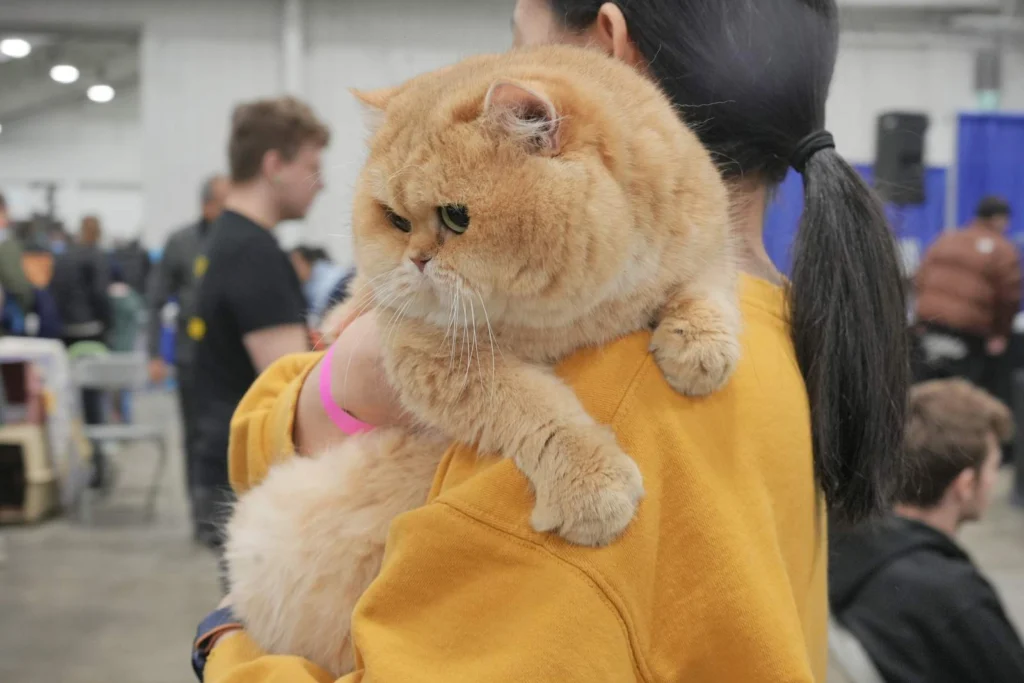
We attend TICA shows despite the time, energy, and expense. Showing benchmarks our cats against the standard, brings judge feedback, and connects us with like-minded fanciers. It’s advocacy, not marketing—breed preservation over profit.
Services that Put Cats and Families First
We align every service with welfare and peace of mind:
Written health warranty with condition-specific terms, including HCM, genetic-condition and FIP provisions.
Free boarding for the BearMary cats of our adoption families when owners travel; we coordinate arrival and departure dates together (see Services for Clients).
Lifetime, no-cost consultation for our kitten-adoption families—behavior, nutrition, integration, wellness.
Ongoing check-ins and tailored guidance during the critical first months at home.
Where the Money Goes
Breeding responsibly has substantial costs, and financial sustainability matters if we are to keep caring for our cats. Our priorities include:
High-quality food and supplements,
Better living spaces and enrichment,
Veterinary care and preventive medicine,
Improving bloodlines ethically,
Supporting local humane efforts.
This is why we’re writing about profit now: to be clear about our priorities. We put these commitments ahead of maximizing the number of kittens placed. The mission came first; the accounting follows it.
Bottom Line: Guardians, Not Salespeople
A responsible breeder is a guardian of the breed, not a seller of goods. We choose ethics over earnings, long-term health over shortcuts, and lifelong support over one-time transactions. So every family welcomes a kitten who is healthy, confident, and deeply loved.
For buyers who want to check a breeder’s claims rather than take them on trust, our British Shorthair breeder verification guide explains what records and questions to look for.