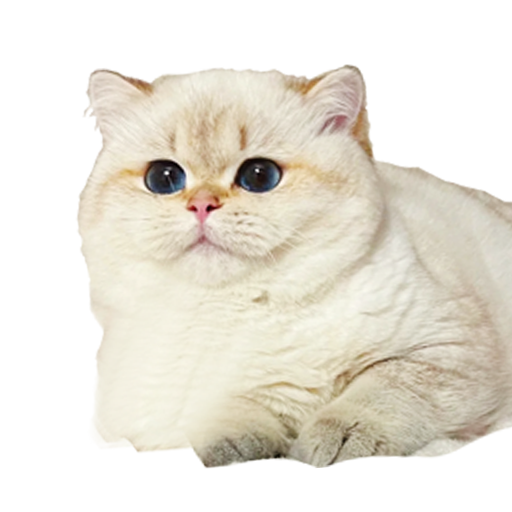
The first thing most people notice about a British Longhair is the coat: full, soft-looking fur around a round face, a solid body, and a tail that seems almost too fluffy for the rest of the cat. But a beautiful coat is only one part of living with this breed.

At BearMary, we raise British Shorthair and British Longhair cats in Ontario. When families ask us about British Longhairs, we try to talk about more than photographs. What is the cat like around people? How much brushing does that coat actually need? What can health screening tell you? And would a shorter coat be a better match for your routine?
This guide draws on our daily care of real cats, including Moka, Edith, Gwen and Ethel, alongside established breed and veterinary resources. The goal is to help you decide whether a British Longhair suits your home, whether or not you are ready to choose a kitten.
What Is a British Longhair Cat?
A British Longhair is closely related to the British Shorthair. The two share the familiar British-type build: rounded head, broad body, strong legs and an unhurried, substantial appearance. The obvious difference is the coat. Instead of the short, dense plush coat associated with the British Shorthair, the British Longhair has a longer, fuller coat that needs more hands-on maintenance.
British Longhairs are recognized by The International Cat Association (TICA), although breed recognition and classification can differ between registries.
The breed is often described as easygoing or affectionate. In our own cats, we see different personalities: some are quiet and content to observe a room, while others want to follow the action wherever it goes.
What Do British Longhair Cats Look Like?
A well-developed British Longhair combines a sturdy, rounded frame with a full coat. The longer fur can soften the outline of the face and body, particularly around the neck, hindquarters and tail. Under all that hair, the cat should still have a substantial structure, not simply look large because it is fluffy.
The coat changes how we perceive a British Longhair, and it also changes as the cat grows. A kitten’s soft, developing coat is not always a reliable picture of the final adult outline. Density, length and overall appearance may shift as the cat matures. Even photographs taken at different seasons or in different lighting can make the same cat look surprisingly different.
That’s why, when talking with future owners, we prefer photographs of the same cat at different ages over a side-by-side comparison of unrelated kittens and adults.


British Longhair Temperament: What Living With One Is Like
For many households, temperament matters more than color. British Longhairs are frequently described as calm companions, but there can be real differences in how much they play, vocalize, seek attention or enjoy being handled.
We see that variation among our own adults.
Moka is a good example of a calm, well-behaved cat. She does not need an elaborate story to describe her: one of the things we value about Moka is simply how easygoing she is in daily life.
Edith is different. She is curious, playful and often follows us from room to room. She also likes to talk to us; at mealtime, her distinctive little meow can be quite funny. She is a good reminder of how much personality an individual British Longhair can bring into daily life.
Ethel and Gwen are affectionate, gentle cats in our experience. Their company is one of the things we enjoy about living with the breed.


Are British Longhairs good with children, dogs or other cats?
A British Longhair may do well in a family home, but compatibility depends on the cat’s individual temperament, past experiences and how introductions are handled. A gentle cat may still dislike being chased, grabbed or carried. Children should learn to let a cat approach, to support its body properly when handling is appropriate, and to respect the cat’s choice to walk away.
For other pets, gradual introductions, separate resting places and plenty of resources matter. Do not assume that because a cat is affectionate with people, it will immediately accept another cat or dog. Ask about the particular kitten’s behavior and give everyone time to adjust.
Can a British Longhair spend time alone?
Some British Longhairs are comfortable resting quietly while people are at work. That does not mean they need no interaction. They still need daily play, enrichment, predictable routines and companionship suited to their individual behavior. If you spend long hours away, think about the cat’s actual needs rather than relying on a description of the breed as “independent.”
Grooming a British Longhair: Our Realistic Daily Routine
This is the main practical difference families should think about before choosing a British Longhair.
At BearMary, we groom our adult British Longhairs daily. We increase attention during seasonal shedding, when loose hair can collect more quickly. The exact time needed varies by the cat, but making coat care a routine is easier than waiting until knots become a problem.
We pay special attention to three places: the chest, under the front legs (armpits), and between the hind legs. These are areas where fur can rub together and tangles can be easy to miss when the outer coat still looks neat.
A simple approach is to work in short, calm sessions. Gently part the hair and check the coat close to the skin, using a cat-appropriate comb or brush that the cat tolerates. Move slowly around sensitive areas and stop if the cat becomes uncomfortable. For a reluctant kitten, build positive associations with handling rather than trying to finish a long session at all costs.
A serious mat is different from a loose tangle. Tight mats can pull at the skin and may hide irritation. Do not use household scissors to cut a mat close to a cat’s skin. Ask a veterinarian or experienced cat groomer for help with painful, tight or extensive matting. VCA’s coat-care guidance explains why professional removal is safer in those circumstances.
Does a British Longhair shed a lot?
Yes, owners should expect loose hair, especially during coat changes. Regular combing helps remove it before it gathers in the coat or around the home. Shedding does not, by itself, mean a cat is unhealthy; sudden bald patches, skin irritation or a dramatic change in shedding deserve veterinary attention.
The longer coat also makes it important to check whether a cat can keep itself comfortable as it ages or if mobility changes. Regular observation is just as important as the brush itself.
How often should you bathe a British Longhair?
We bathe our cats when needed, not according to a compulsory calendar. Most healthy cats spend a great deal of time cleaning themselves. A bath may be appropriate when a cat becomes unusually soiled or when a veterinarian recommends a particular treatment, but it is not a substitute for routine brushing.
If you are unsure which product or method is safe, ask your veterinarian or an experienced feline groomer. There is no universal bathing schedule, supplement or product that will make a long coat maintenance-free.

British Longhair Health: What Screening Can and Cannot Tell You
Beautiful cats still need ordinary, attentive veterinary care. Breed information can help you ask better questions, but it cannot diagnose an individual cat. For a British Longhair, useful conversations include heart health, relevant inherited conditions, body condition, dental care and preventive veterinary visits.
HCM and heart ultrasound
Hypertrophic cardiomyopathy (HCM) is a condition in which the muscular walls of the heart become abnormally thick. A veterinary echocardiogram (heart ultrasound) can help assess heart structure and look for evidence of disease. It is different from a general physical examination, and screening results have to be interpreted in context. Cornell University’s feline HCM overview provides useful background.
BearMary publishes selected HCM screening records for its breeding cats, with named cats and examination dates. A reported normal echocardiogram means no evidence of HCM was found at that examination. It cannot promise that the cat will never develop heart disease, or that every kitten will remain free of it. Screening is one part of responsible breeding and veterinary follow-up, not a lifetime certificate.
DNA testing, PKD and test limitations
A DNA panel answers questions about the particular genetic variants the laboratory actually tests. For example, a test for an associated polycystic kidney disease (PKD) variant is not a test for every possible kidney disorder. A negative result for one marker should not be described as a guarantee against all inherited disease.
We make DNA testing information for our breeding cats available for families who want to review it. When evaluating any breeder’s results, look for the cat’s identity, the laboratory, the exact condition or variant, and what the reported result means. A DNA report and an HCM echocardiogram answer different medical questions; neither replaces routine veterinary care.
Everyday health still matters
British Longhairs have a solid build, but a full coat can make changes in body condition less obvious. Regular play, an appropriate diet, weight monitoring and veterinary guidance are more useful than judging health by how large or plush a cat looks. Ask your veterinarian about preventive care and any symptoms that concern you.
British Longhair vs British Shorthair: Which Fits Your Home?
The two British coat varieties share a recognizable overall type, and personality varies within both. For a prospective owner, the practical distinction is often the time and attention needed for coat care.
| Question | British Longhair | British Shorthair |
|---|---|---|
| What does the coat feel and look like? | Longer, fuller coat with more visible furnishings and tail volume | Short, dense, plush coat |
| How much grooming should I plan for? | Daily coat care is our routine, with extra attention during shedding seasons | Regular grooming is still useful; the short coat is generally less demanding |
| Do they have different personalities? | May be calm, playful, vocal or affectionate depending on the cat | Also varies from cat to cat; coat length is not a personality test |
| Do I need different toys and enrichment? | Daily play and comfortable resting spaces | The same basic need for play, enrichment and rest |
| Who should choose which? | Someone happy to make thorough coat checks a daily habit | Someone who prefers the British look with less coat maintenance |
If you enjoy longer fur and are prepared to maintain it, a British Longhair can be a rewarding companion. If daily coat care would become a burden, it is worth considering the British Shorthair instead. You can see the shorter-coated variety on our British Shorthair kittens page, but compare individual cats as well as breeds.
British Longhair Colors and Coat Development
British Longhairs come in many colors and patterns. In BearMary’s cats, golden, blue golden and pointed coats are familiar examples. Coat length, age, season and lighting can all influence how a color looks in photographs. The photographs of Popcorn in his earlier kitten profile and the same-cat growth pair above provide one real example of how a British Longhair’s appearance can develop.
For a closer look at golden shaded, shell and other tipping patterns, visit our British Shorthair and Longhair shaded-color guide or the golden photo guide. Color descriptions, visible patterns and genetic variants are related but not interchangeable. Our CORIN color genetics article explains why golden, copper, sunshine, shaded and CORIN should not be treated as synonyms.
Color can be part of the joy of choosing a cat, but it is only one part of finding the right companion.
Is a British Longhair the Right Cat for You?
Before choosing a kitten, ask yourself a few practical questions:
- Can I make a little time for coat care every day, including the less visible areas under the legs?
- Am I prepared for seasonal shedding and the possibility of professional grooming help if a mat becomes difficult?
- Can I provide safe play, scratching opportunities, quiet places to rest and regular veterinary care?
- Will the people in my household respect a cat that may enjoy closeness but not constant handling?
- Am I choosing an individual companion I can live with for years, rather than choosing only a coat color or photograph?
If your answers are yes, a British Longhair may be a good fit. If your schedule or preferences make the grooming commitment unrealistic, there is no harm in choosing a different coat type. A good match should work for the cat as well as the family.
Learning About BearMary British Longhairs
BearMary is based in Brantford, Ontario, and works with families in Canada and the United States. The adult cats and past kittens in this guide are examples of the breed and our own experience; they are not a live list of kittens available today.
If you have decided the British Longhair may suit you, the next step is to review our British Longhair kittens for sale page for current availability and the relevant individual profiles. You can also read our adoption process to understand how BearMary matches kittens with families. For future litters, our waiting list explains the process separately.