
UnderstandingHCM in Cats
Hypertrophic cardiomyopathy, or HCM, is the most commonly diagnosed heart disease in cats. This guide explains what HCM is, how it is diagnosed, how it appears across the cat population, and why regular screening matters.
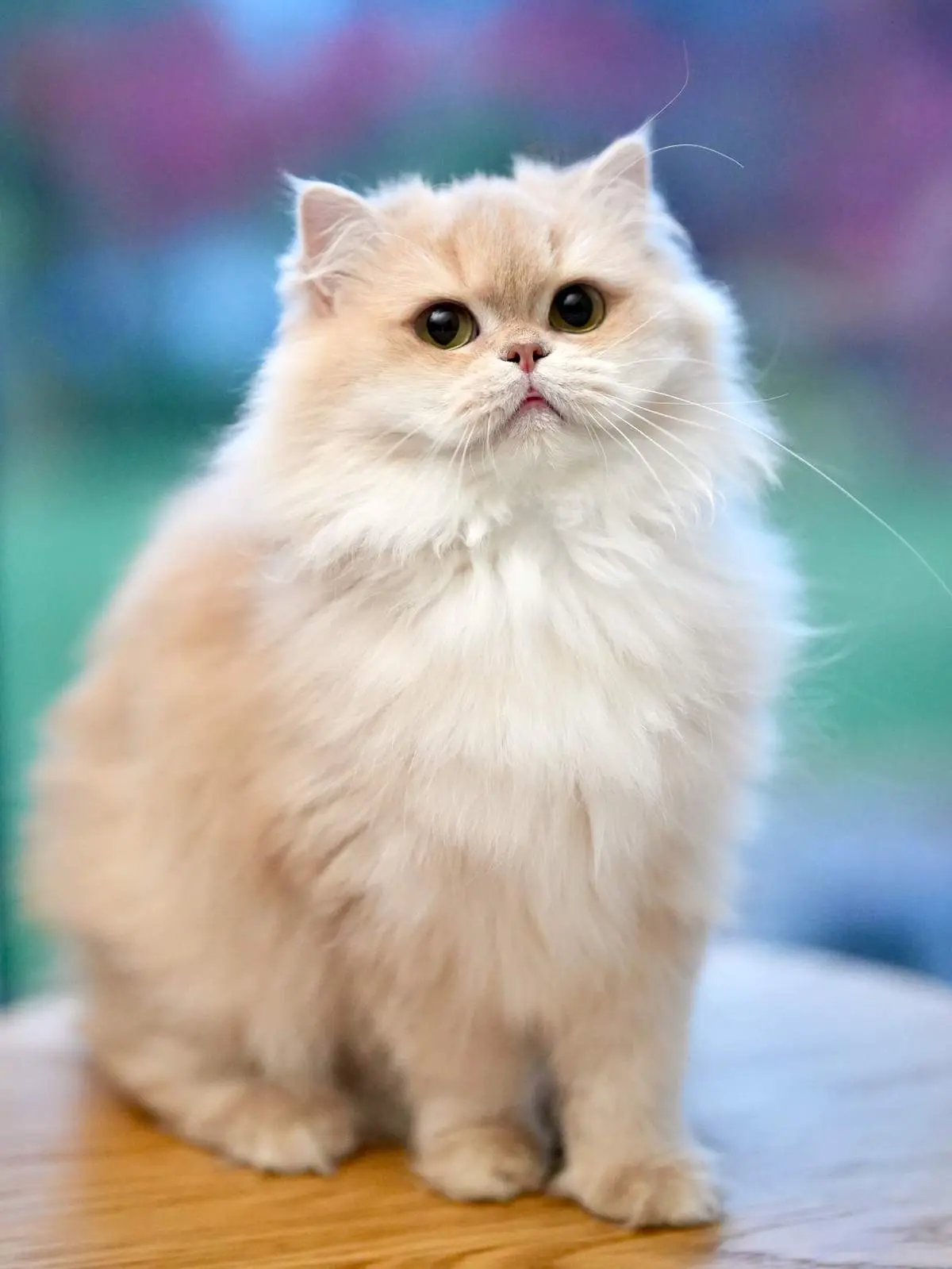
Common Disease
HCM is the most common feline cardiomyopathy discussed in cats.
Often Silent
Many cats show no obvious signs before HCM is found on screening.
Echo Based
Echocardiography is the key clinical test used to assess the heart.
Not One Breed
HCM can affect mixed breed cats as well as pedigree cats.
What Is HCM?
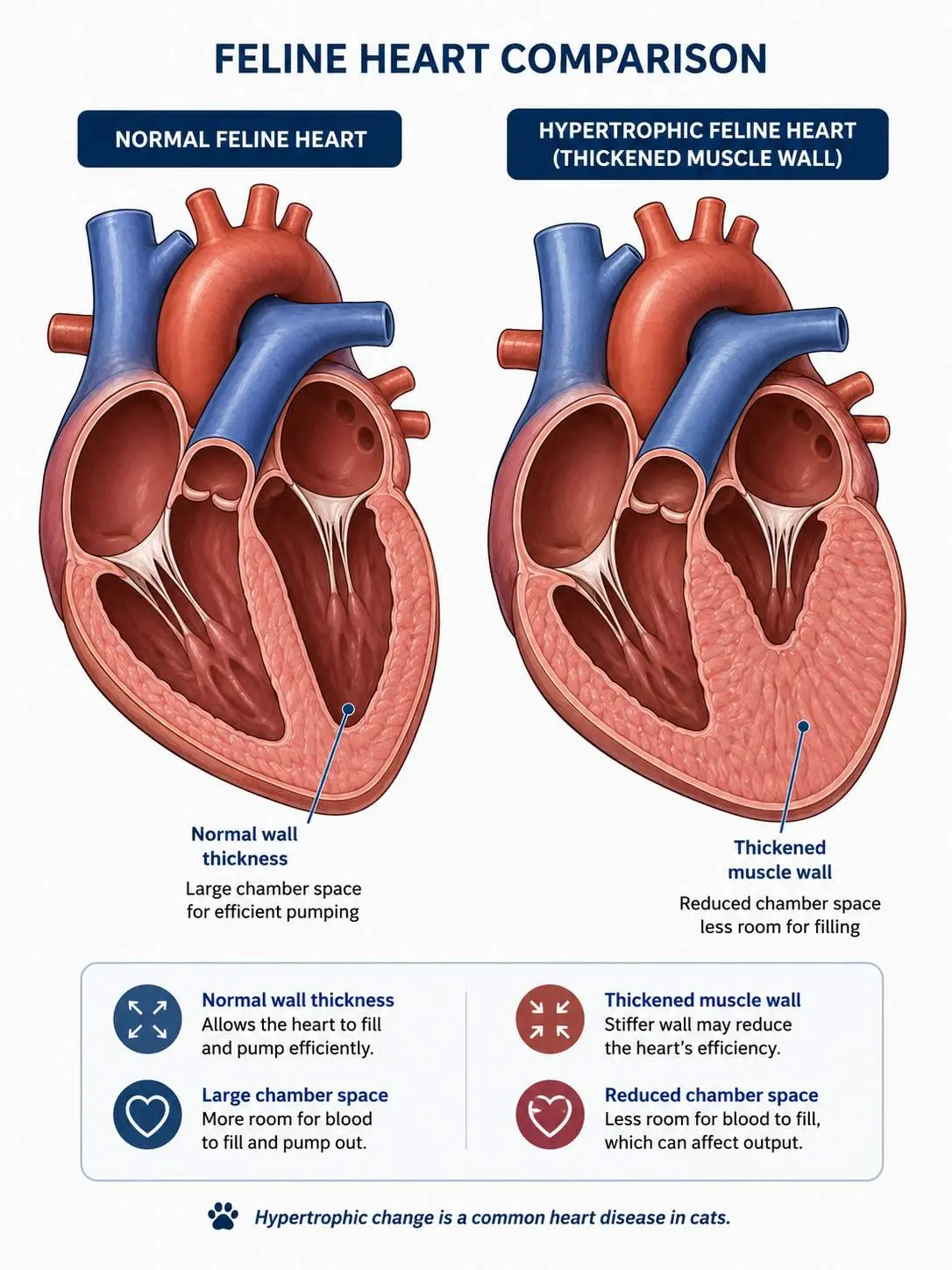
Hypertrophic cardiomyopathy is a disease in which the heart muscle becomes abnormally thick. The thickening is most often discussed in the left ventricle, the main pumping chamber of the heart.
When the heart wall becomes too thick, the chamber has less room to fill normally between beats. This can make the heart work less efficiently and, in some cats, can contribute to complications over time.
Why HCM Can Be Hard to Notice
HCM is important to screen for because outward appearance alone does not reliably tell us what is happening inside the heart.
No Obvious Signs
Many cats with HCM do not show clear illness at the time of diagnosis.
Changes Over Time
A cat may scan clean at one point and still need future monitoring later in life.
Screening Helps
Echocardiography can reveal structural changes before obvious signs appear.
Regular Follow Up
Repeat screening supports better long term monitoring of breeding cats.
How HCM Is Diagnosed
A complete assessment considers the whole cat, but echocardiography is the most important test for identifying the heart changes associated with cardiomyopathy.
Physical Exam
The veterinarian listensto the heart and reviewsthe cat’s overall health.
Rule Out Causes
Blood pressure and testinghelp check for other causesof heart wall thickening.
Echocardiogram
Heart ultrasound measureswall thickness, chamber size,and heart function.
Ongoing Review
Repeat scans may be advisedbecause heart changes candevelop over time.
HCM Across the Cat Population
HCM should not be understood as a problem of only one breed. It is a disease that can appear across the wider cat population.
Wider Than Pedigree Cats
HCM can affect catsof any breed, includingmixed breed cats.
Common Enough to Matter
HCM affects a meaningfulshare of the cat population,so screening matters.
Breed Risk and What It Means
Some breeds are discussed more often in HCM literature because they arereported or studied more frequently. This does not mean every cat in those breedswill develop HCM, or that cats outside those breeds are risk free.
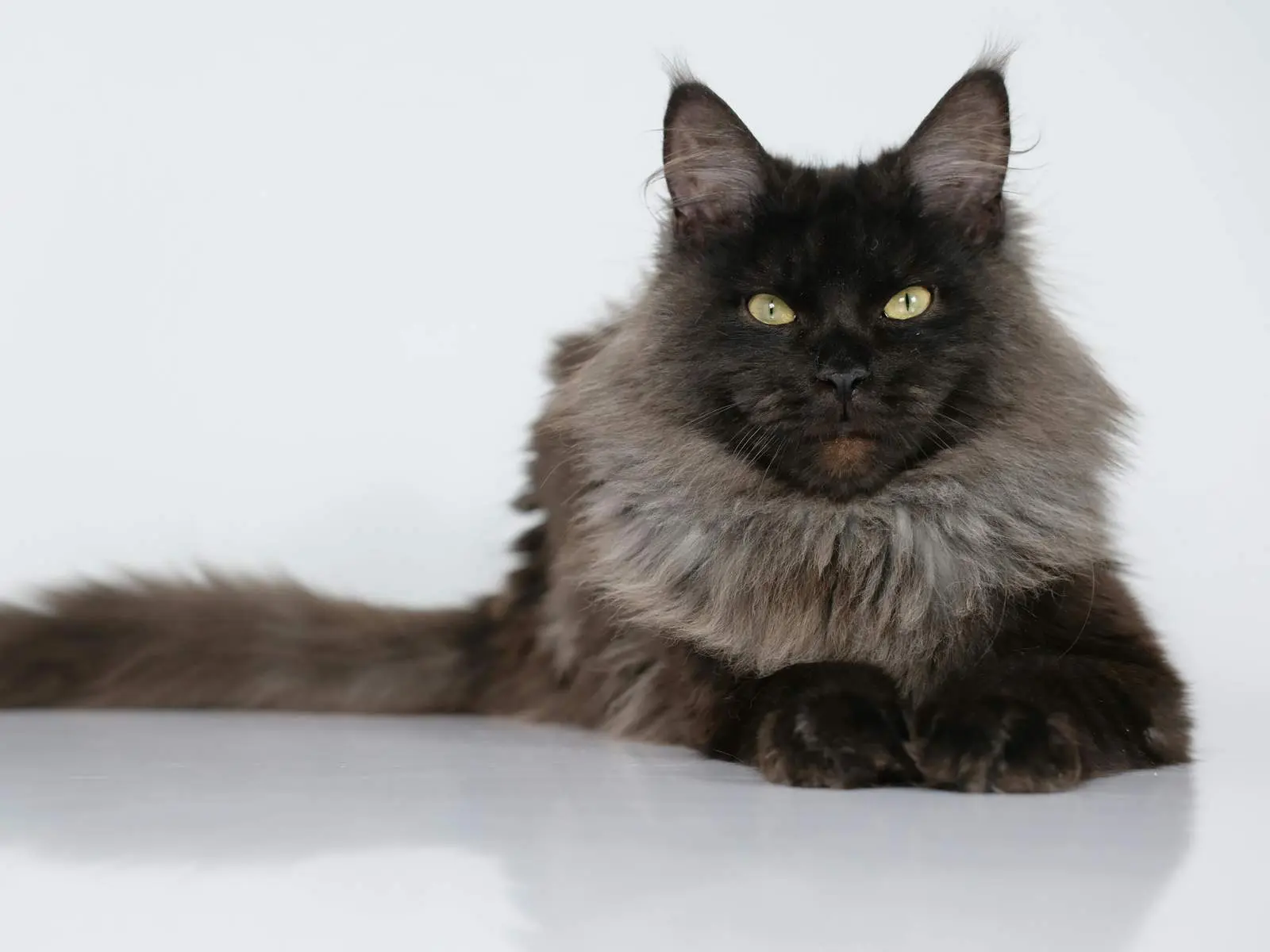
Maine Coon
Commonly monitored
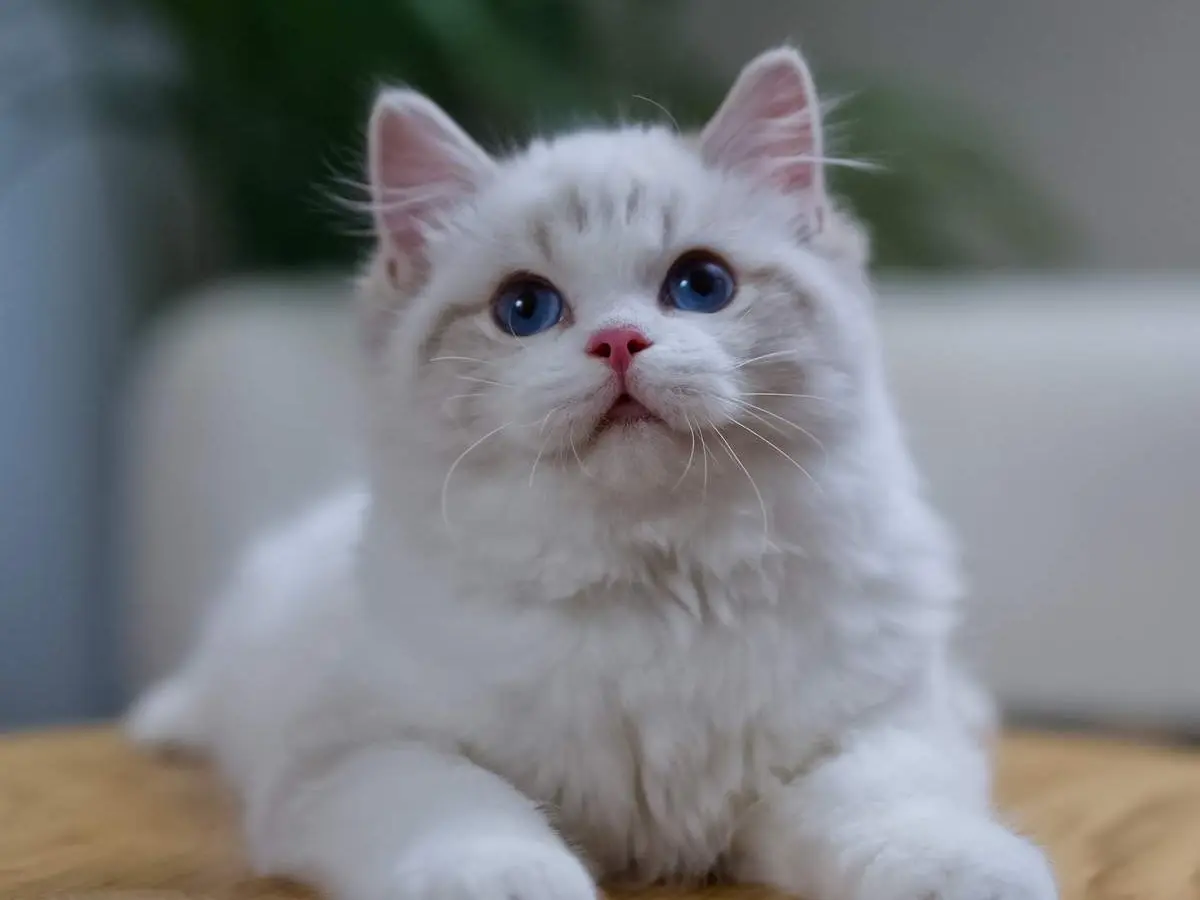
Ragdoll
Commonly monitored
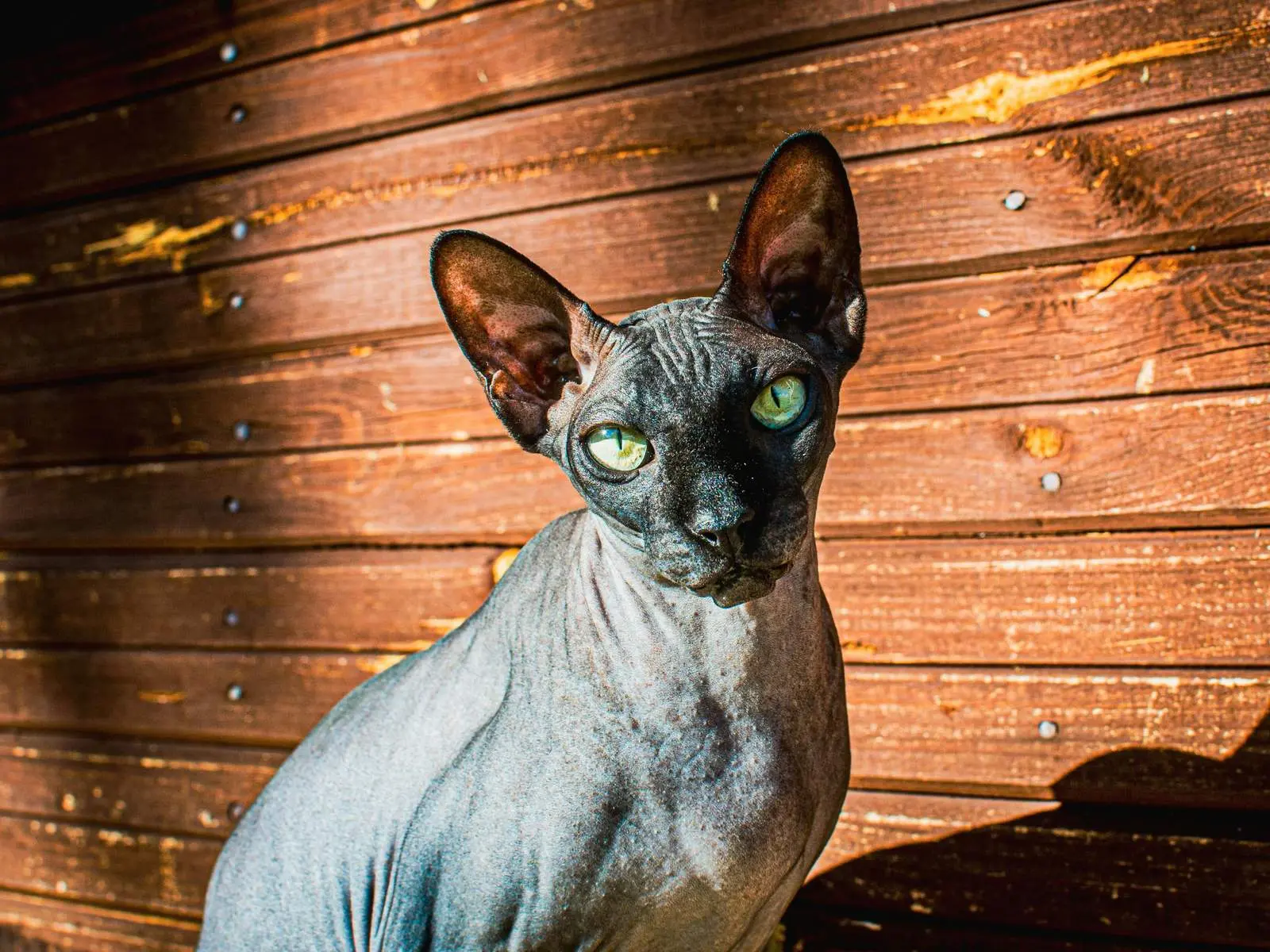
Sphynx
Commonly monitored
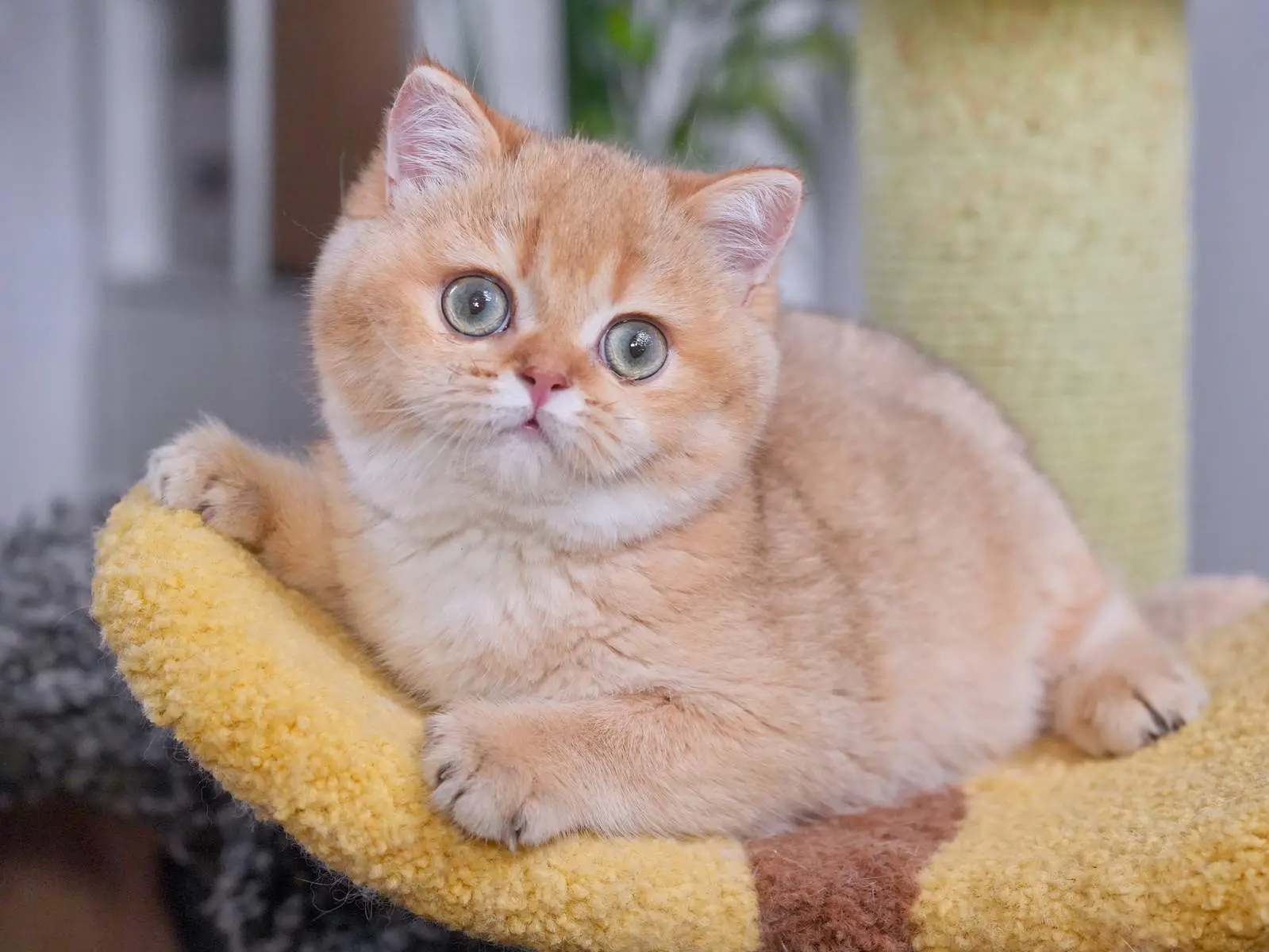
British Shorthair
Commonly monitored
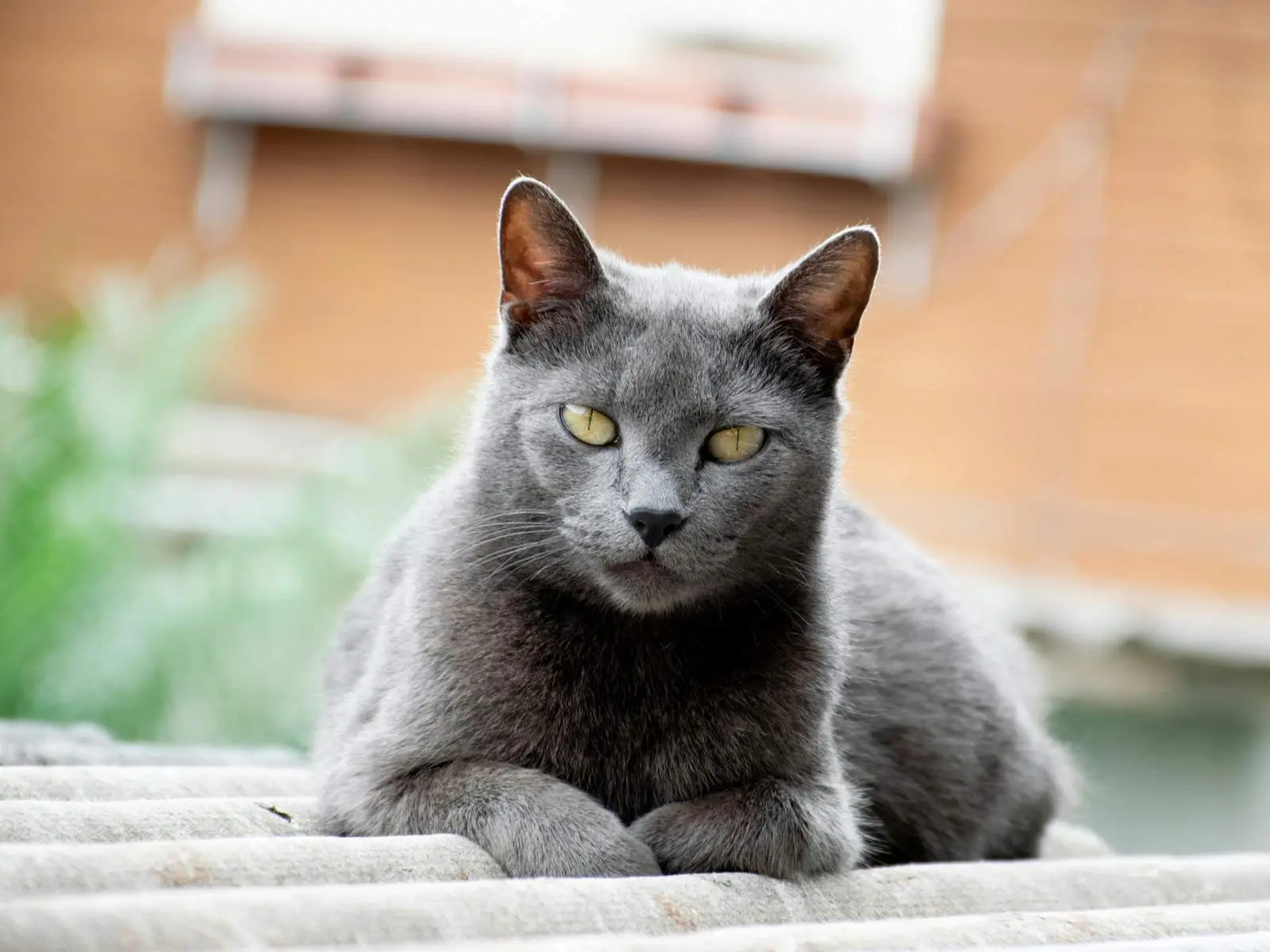
Chartreux
Reported in literature

Persian
Reported in literature
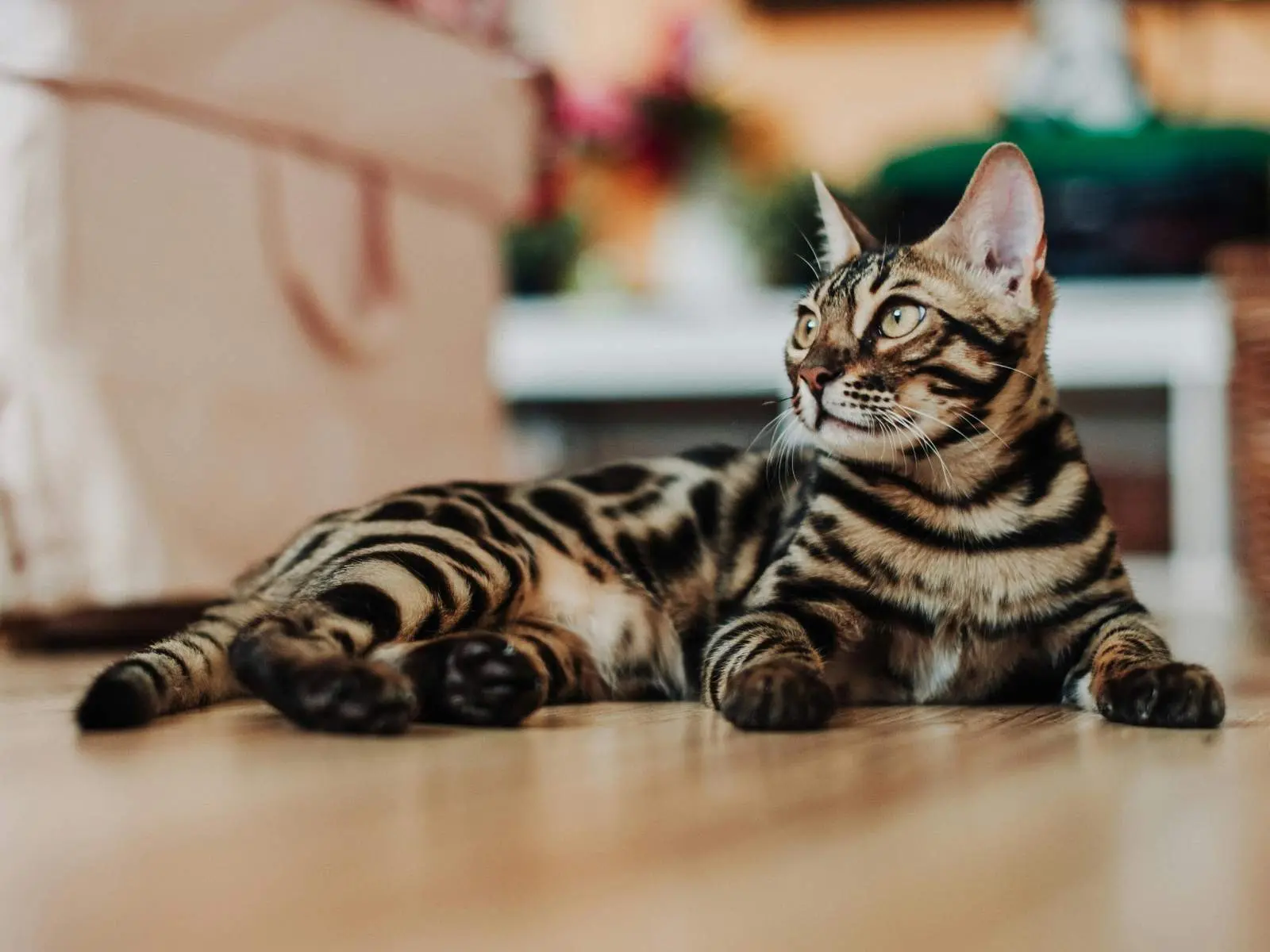
Bengal
Reported in literature
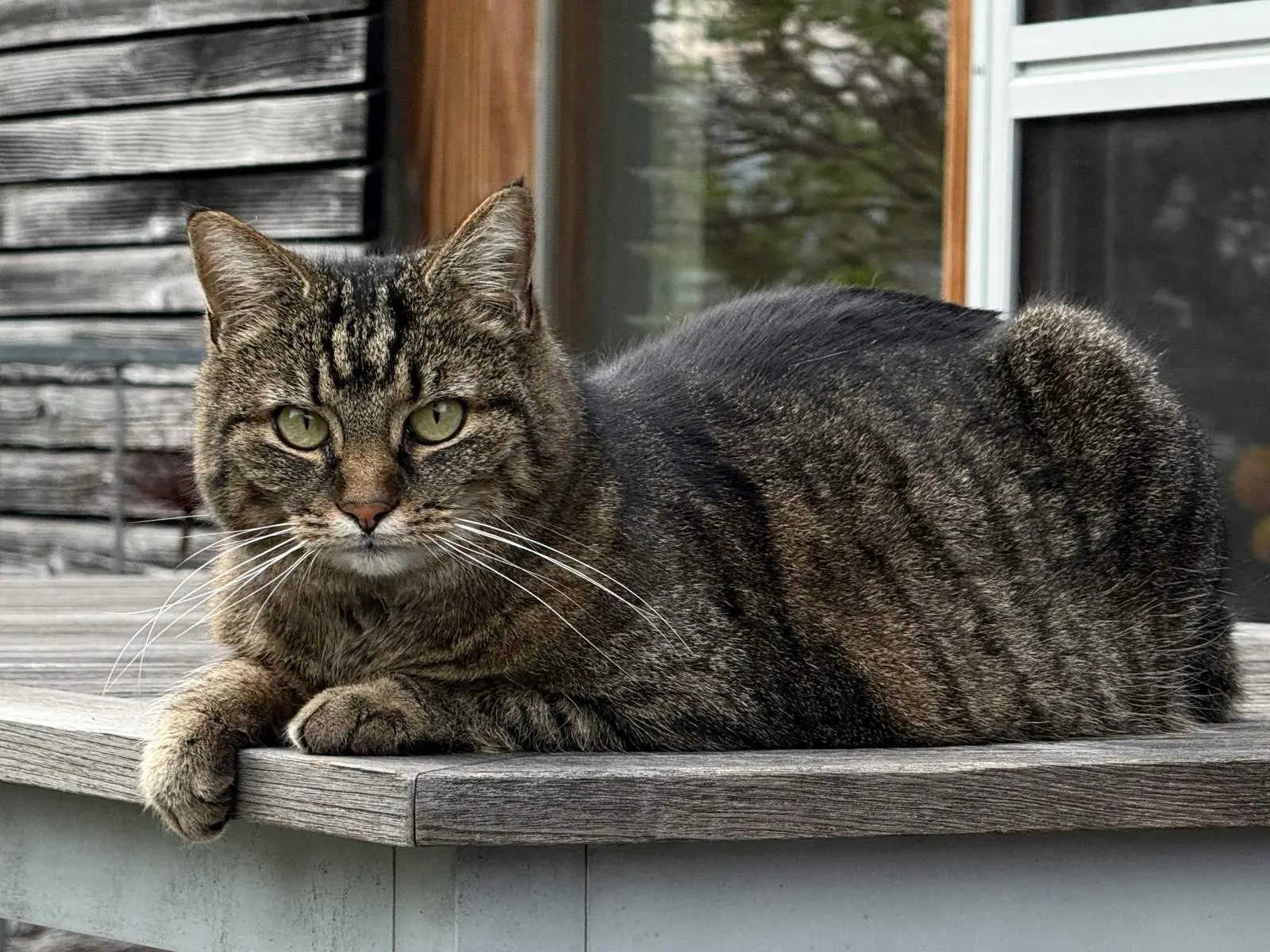
Other Cats
Can still be affected
DNA Testing vs. Echocardiogram
Genetic testing and heart ultrasound answer different questions. A DNA test can be useful in some breeds, but it cannot replace echocardiography as a real time assessment of the heart.
DNA Testing
- Finds some knownbreed linked variants.
- Helps inform decisionswhen a test is validated.
- Cannot identify every causeor every form of HCM.
Echocardiogram
- Shows the heart as it isat the time of the scan.
- Identifies actual thickeningand other heart changes.
- Remains the key test forscreening and diagnosis.
Why Screening Matters for Breeders and Families
Screening does not promise that disease can never develop, but it gives breeders and families better information for responsible decisions and ongoing care.
Breeding Decisions
Current results supportmore informed breeding choices.
Family Awareness
Families can seewhat was checked and why.
Repeat Monitoring
Ongoing scans helptrack the heart over time.
Clear Records
Shared reports makescreening easier to understand.
Frequently Asked Questions
Is HCM only a problem in certain breeds?
No. Some breeds are discussed more often, but HCM can affect cats outside those breeds as well, including mixed breed cats.
Can a cat look healthy and still have HCM?
Yes. Many cats with HCM do not show obvious signs at the time the disease is identified, which is why screening matters.
Can a DNA test replace an echocardiogram?
No. DNA testing may be helpful in some breeds, but an echocardiogram is still needed to assess the heart’s current structure and function.
If a scan is clean, does that mean HCM can never develop?
No. A clean scan means no evidence was seen on that examination. It does not guarantee that HCM cannot develop later.
Why do breeders repeat screening?
Because HCM can appear over time. Repeat screening gives a more current picture of heart health than a single lifetime test.
Where can I see BearMary’s screening results?
You can view the current reports on our HCM screening results page.
Sources and Further Reading
We use current veterinary references when preparing our educational pages.
Explore BearMary’s HCM Pages
Read our screening results, review how common echo measurements are used, or return to the HCM overview page.